
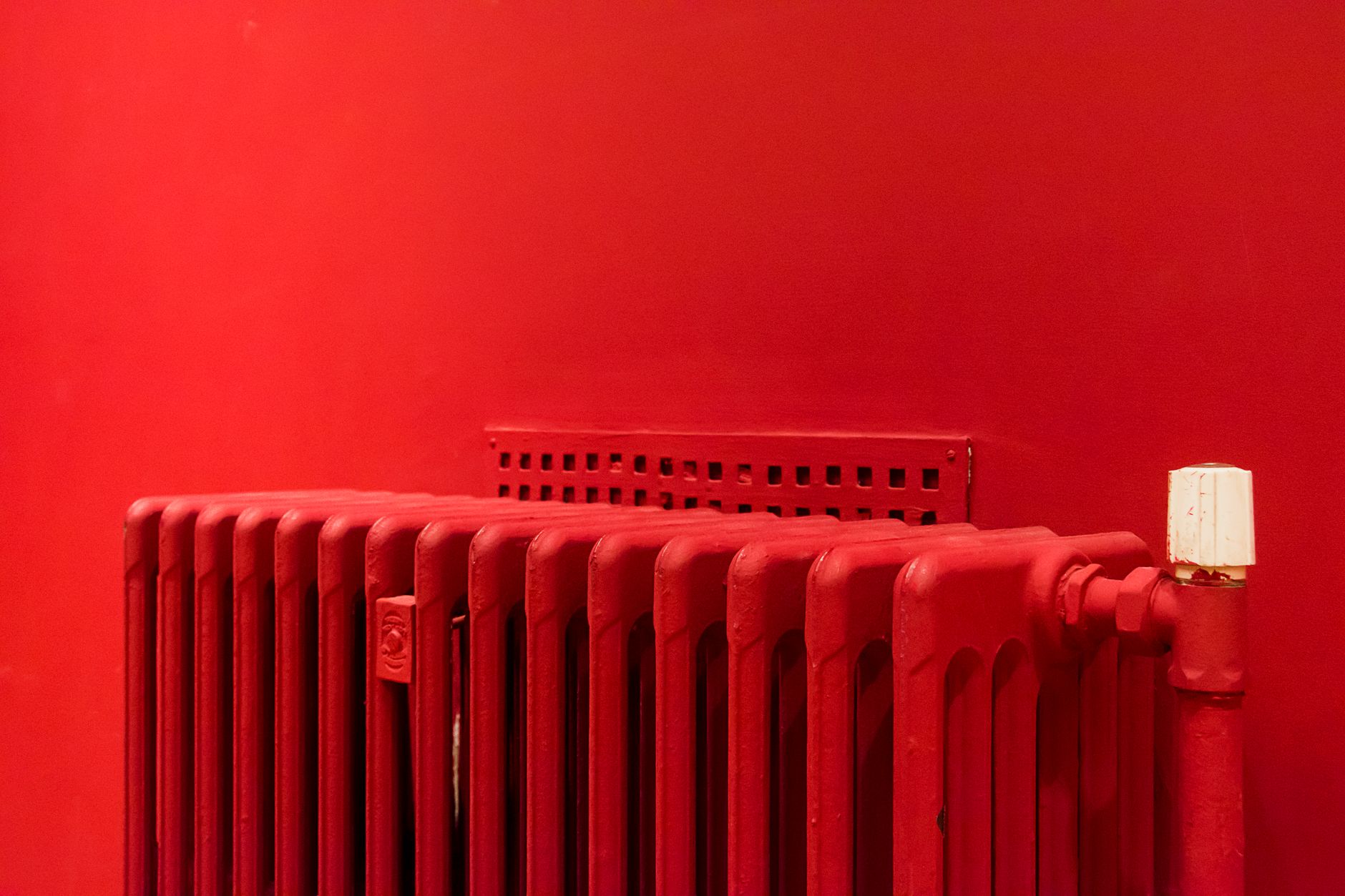
With energy prices on the rise, many households are looking for an economical space heater to warm a room occasionally without pushing up their bill. Between a wood stove, an electric radiant heater, a convector and a gas heater, the right choice depends as much on the purchase price as on the running cost, the power needed and how often the unit will be used. This comparison looks at the main types of heater, the criteria for choosing one, and the habits that help keep energy use down.
Comparing economical space heaters
The table below compares the main types of space heater by purchase price, running cost and typical use.
| Type of space heater | Indicative purchase price | Running cost | Typical use |
|---|---|---|---|
| Wood or pellet stove | €500 to €3,000 | Low (€0.08 to €0.12 per kWh depending on fuel) | Regular use, main living room, needs storage space |
| Electric radiant heater (thermal storage) | €80 to €400 | Medium (around €0.20 per kWh, gradual heat release) | Regular or occasional use, steady comfort |
| Electric convector | €20 to €100 | Medium to high (same price per kWh, short-lived heat) | Occasional use, fast temperature rise |
| Ceramic fan heater | €15 to €60 | High (strong output over a short time) | Very occasional use, small room or bathroom |
| Gas or paraffin space heater | €50 to €250 | Medium (€0.10 to €0.15 per kWh depending on fuel) | Occasional use, room with no central heating, needs ventilation |
These figures vary by brand, the power of the unit and the local price of energy. They give a general order of magnitude for comparing types of heater, not a guaranteed price for a specific model.
The different types of space heater
A wood or pellet stove offers the best efficiency on the market, often above 80%, and benefits from a fuel price well below that of electricity. It does, however, require space to store logs or pellets, a flue to vent the fumes, and regular maintenance, which makes it better suited to frequent use than to an occasional need.
An electric radiant heater stores heat in a material (cast iron, ceramic or a heat-transfer fluid) and releases it gradually, which limits temperature swings and the dry-heat feel typical of fan heaters. Its running cost is higher than wood, but the steady heat it gives off makes it a regularly recommended option for heating a room for several hours a day.
An electric convector heats air through a simple resistance element and spreads it by natural convection. Cheap to buy, it heats up quickly but cools down just as fast once switched off, which makes it better suited to short use than to prolonged heating.
A fan heater, often fitted with a ceramic element, blows hot air with a fan and reaches temperature almost instantly. Its high output over a short time makes it a good fit for a small room or a bathroom, rather than a solution for extended heating.
A gas or paraffin space heater gives off intense heat without needing an electrical connection, which makes it practical in a garage, a workshop or a room with no central heating. Using it calls for adequate ventilation and following the manufacturer’s instructions, since the fuel gives off combustion gases that need to be vented.
Criteria for choosing an economical space heater
The power of the unit should be worked out from the size and insulation of the room to be heated: a general rule of thumb is around 100 watts per square metre in a well-insulated home, and up to 150 watts per square metre in an older room or one facing north. An undersized unit will run continuously without ever reaching the desired temperature, while an oversized one will use more energy than needed.
Running cost depends directly on the price of the energy used: wood and pellets remain the cheapest fuels per kilowatt-hour, followed by gas, then electricity. An electric unit, however, has an efficiency close to 100%, against some losses through venting for combustion appliances, which nuances the comparison for very occasional use.
How often the unit will be used also shapes the choice: a heater used a few hours a week is hard to justify as a large investment, while daily use throughout the cold season justifies a pricier unit that costs less to run, such as a good-quality pellet stove or radiant heater.
Safety, and whether children or pets are in the home, also matters: a unit with an exposed heating element gets hotter on the surface than a thermal-storage or oil-filled model, and some entry-level convectors and fan heaters do not always include a cut-off in case of tipping or overheating, which is worth checking before buying.
Finally, noise level is worth considering for use in a bedroom or an office: radiant heaters and stoves run quietly, while a fan heater or a convector with a fan produces continuous noise that can become bothersome over time.
Which space heater to choose depending on the room and how it is used
For a living room used several hours a day, an electric radiant heater or a pellet stove offers the best balance between heating comfort and keeping the bill down, provided there is room for a stove and its fuel storage.
For a bathroom, where heat is needed occasionally and quickly before or after a shower, a fan heater with protection against water splashes remains the most practical option, best used for short periods to limit its impact on consumption.
For an occasional room, such as a guest bedroom or a rarely used office, an electric convector or a small portable radiant heater makes it possible to heat only when the room is in use, rather than keeping a whole room warm all day.
For a garage, a workshop or a room with no mains electricity, a gas or paraffin space heater is often the most practical solution, provided there is enough ventilation and the manufacturer’s safety instructions are followed.
How to use a space heater without pushing up the bill
A built-in thermostat or a programmable socket stops the unit running at full power continuously, switching it off automatically once the desired temperature is reached. A timer likewise limits use to the times the room is actually occupied, rather than letting the unit run all day out of habit.
Closing the door of the heated room concentrates the heat produced and avoids needlessly heating the rest of the home, a simple habit that noticeably improves how effective the unit feels. Conversely, using a space heater in a poorly insulated room, with old windows or a door that does not close properly, amounts to heating the outdoors and drives up consumption without a matching gain in comfort.
A space heater is, by design, meant for occasional use or to supplement a main heating system that falls short over a limited period. Run continuously for several months as a replacement for a central heating system, its running cost quickly overtakes that of a system sized for the whole home, particularly for low-efficiency electric models such as convectors and fan heaters.
Purchase price, running cost and financial support
The purchase price of a space heater varies widely by technology: from €15 to €100 for an entry-level convector or fan heater, €80 to €400 for a radiant heater, and €500 to several thousand euros for a wood or pellet stove depending on power and finish.
Annual running cost depends on how often the unit is used, its power and the price of the chosen energy source. For the same power, an electric unit used several hours a day throughout the season costs noticeably more than a wood or pellet stove, whose fuel stays cheaper per kilowatt-hour, even allowing for the slightly lower efficiency of combustion appliances.
Some home energy-renovation schemes, such as MaPrimeRénov’ or energy savings certificates, cover the cost of installing an efficient wood or pellet heating appliance to replace an ageing system, subject to income conditions and the use of an RGE-certified professional. A space heater used occasionally, and not meant to replace the main heating system, generally does not qualify for this kind of support, which targets a home’s main heating equipment. For a broader heating system upgrade, it is worth looking into the energy savings certificates available and comparing options before replacing a gas boiler with a heat pump, or turning to one of the most recommended heating companies for a larger project. To better understand how a space heater affects overall consumption, learning to read an electricity bill helps track how usage changes from one month to the next.