
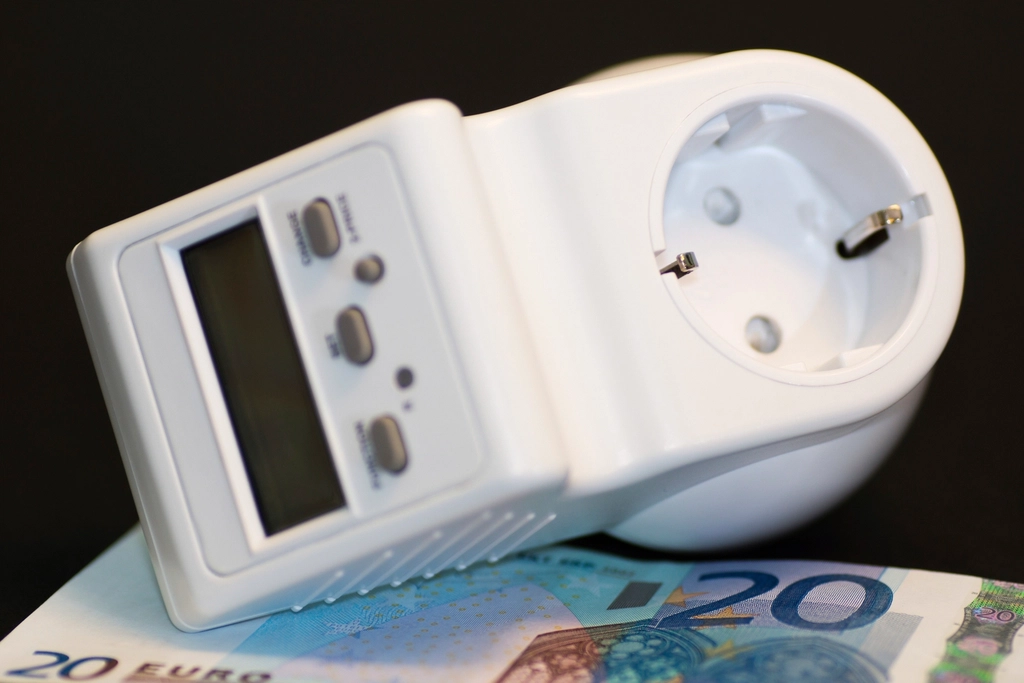
 Photo via Rawpixel (CC0 1.0)
Reducing your electricity bill doesn’t necessarily require major work. A large part of the possible savings comes from simple habits applied day to day.
In brief
- Lowering heating by one degree already cuts the bill by several percent.
- Hunting down unnecessary standby power limits an invisible but continuous drain.
- Switching to LED bulbs sharply reduces the lighting item.
- A well-set water heater avoids a common and often overlooked waste.
- Maintaining appliances (fridge, washing machine) preserves their efficiency over time.
Adjusting heating without losing comfort
Heating is often the largest consumption item in a home. Lowering the temperature by one degree generally cuts the bill by 5 to 7%, with no real impact on perceived comfort. A programmer or thermostat allows automatic adjustment based on the home’s occupancy schedule.
Limiting standby power and idle appliances
Appliances on standby (internet box, TV, chargers) consume continuously, even when apparently off. A power strip with a switch makes it easy to cut several devices at once, especially in the evening or during extended absences.
Optimising the home’s lighting
| Bulb type | Average consumption | Lifespan |
|---|---|---|
| Halogen | 40-60 W | 1,000 to 2,000 h |
| LED | 5-10 W | 15,000 to 25,000 h |
Replacing remaining halogen bulbs with LEDs remains one of the fastest-paying-off investments, often within less than a year.
Checking the water heater’s settings
A water heater set too high (above 55-60°C) consumes energy unnecessarily, with no comfort gain. Regular home maintenance also helps spot this kind of setting to correct.
Maintaining equipment to preserve efficiency
A poorly maintained fridge or washing machine consumes more. Regularly defrosting the fridge, cleaning the washing machine filter, or checking door seals are simple habits that limit overconsumption. When in doubt about an appliance’s condition, it is worth asking whether to repair or replace it before it becomes too energy-hungry.
Understanding consumption to act effectively
These habits make full sense once you know where the electricity you consume actually goes. Learning to read your electricity bill helps identify the items to watch first.