
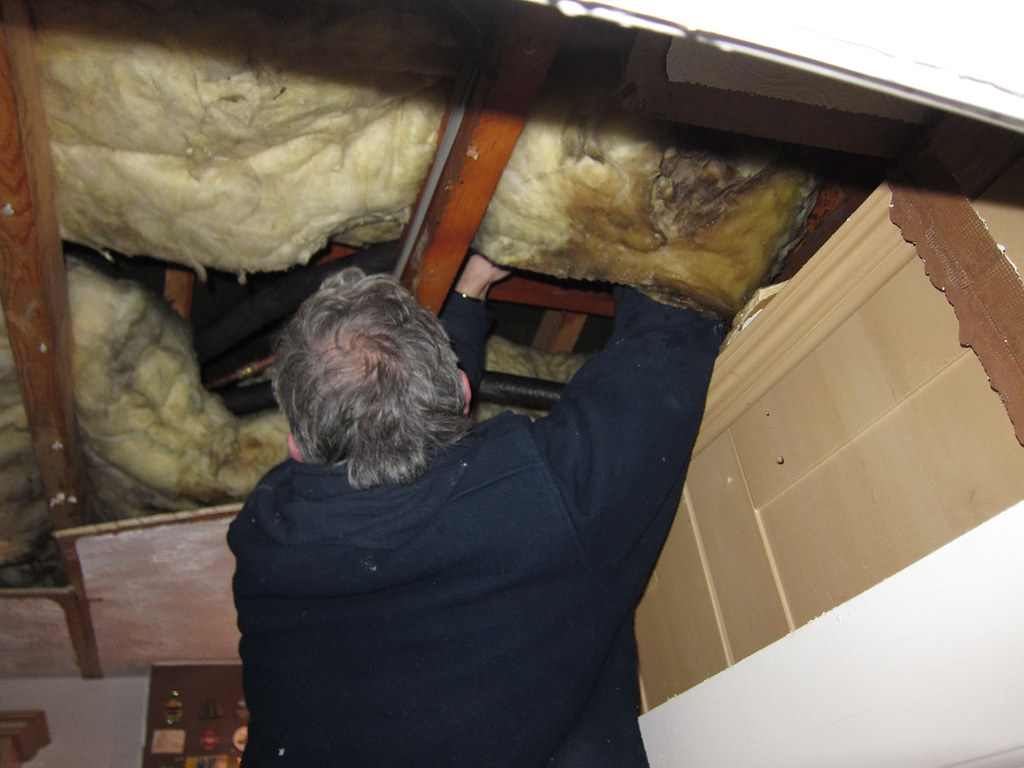
 Photo by Keith Williamson via Flickr (CC BY 2.0)
A water leak calls for a quick reaction to limit damage while waiting for a professional to intervene.
In brief
- Cut off the main water supply as soon as the leak is detected.
- Cut the electricity if water is getting close to electrical installations.
- Mop up and contain the water with buckets or towels.
- Move moisture-sensitive items away from the affected area.
- Contact a plumber quickly, even for a leak that seems minor.
Cutting the water, the priority reflex
The very first action to take is cutting off the main water supply, usually accessible via a stopcock or directly at the meter. This simple gesture stops the leak from worsening and prevents more extensive water damage.
Securing the electricity if needed
If water is getting close to electrical outlets or plugged-in appliances, switching off the circuit breaker for the affected area becomes essential to avoid any electrical risk.
Limiting damage while waiting for the intervention
| Action | Purpose |
|---|---|
| Mopping up water on the floor | Limit seepage into flooring |
| Placing buckets under the leak | Contain the continuous flow |
| Moving sensitive items | Protect furniture and electronics |
These simple steps, taken in the first few minutes, significantly reduce the extent of the material damage to be dealt with afterwards.
Never underestimate a small leak
Even a discreet leak can seep into walls or under flooring with no immediate visible sign. This kind of damage can then encourage humidity, a problem to watch just as closely as attic insulation as part of a broader home maintenance approach.
After the intervention, check the whole installation
Once the leak is repaired, it is worth checking the overall condition of the home’s plumbing, especially if the installation is old. This vigilance is part of the broader approach of organising everyday home life.